Automation Doesn't Kill Work. It Moves It Upstream.
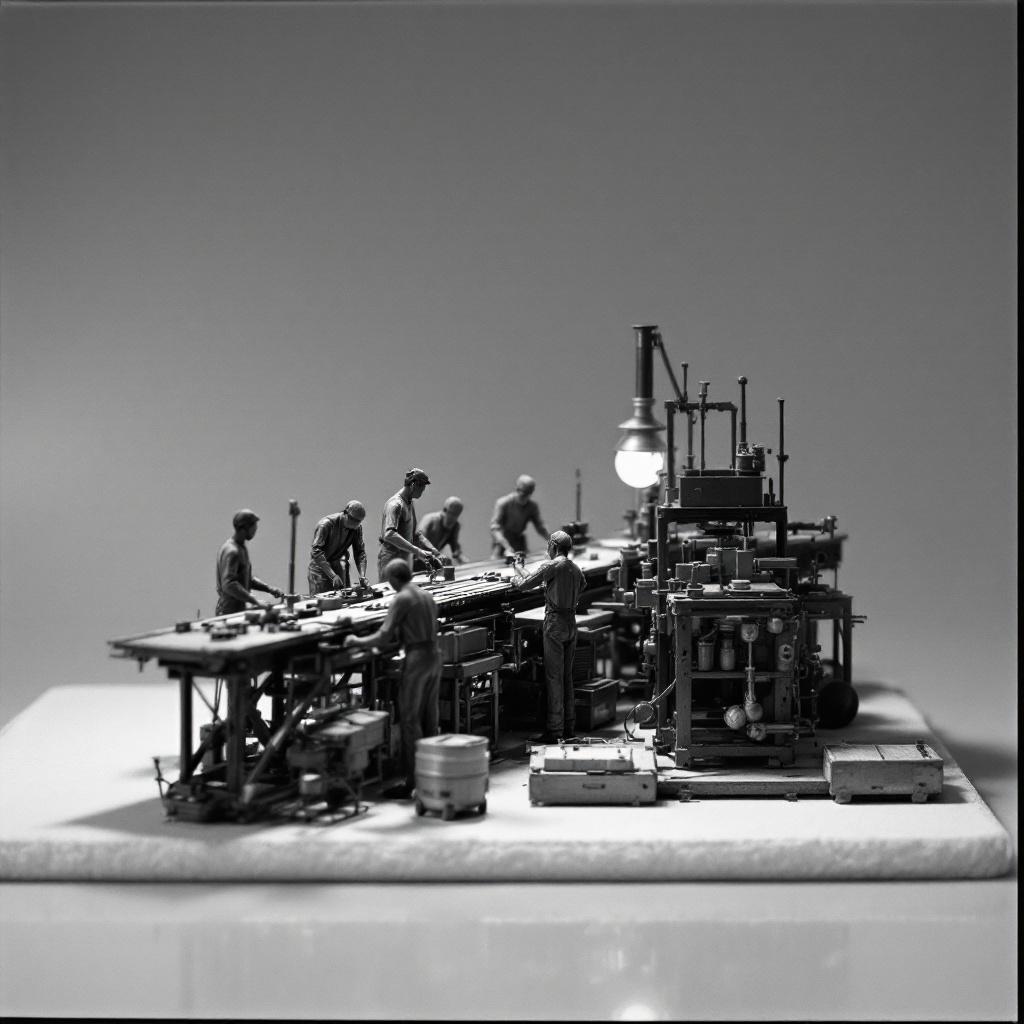
The wrong argument happens every time
Whenever automation appears, the same sentence shows up:
“It’s taking jobs.”
And sometimes that’s true, in the most visible place.
But the more accurate story is less dramatic and more useful:
Automation relocates work.
It pulls labor away from one task and pushes it into other layers. Work moves into manufacturing, maintenance, software, logistics, training, compliance, support, operations, and integration.
The job didn’t vanish. It moved.
Why people think jobs disappear
Because humans judge reality by what they can see.
If an automated system replaces a person in a public role, the loss is immediate and obvious. But the work created upstream is distributed and harder to point at.
No one stands in front of a factory and says, “That new line exists because of that one automated machine.”
But it often does.
The hard part isn’t job loss. It’s transition
The real pain is not philosophical. It’s practical.
Automation creates mismatch:
- Skills mismatch
- Geography mismatch
- Timing mismatch
The old job ends today. The new job might appear elsewhere, later, with different requirements.
That’s where policy, training, and individual strategy matter.
So instead of arguing “jobs vs no jobs,” the better question is:
How do people move upstream without getting crushed in the transition?
How to position yourself for the upstream economy
You don’t need to predict the future. You need to aim at the durable categories:
- Operations (keeping systems running)
- Integration (connecting tools)
- Maintenance (fixing what breaks)
- Training (teaching people to use systems)
- QA (quality assurance - making output reliable)
- Compliance and safety (making systems acceptable)
Automation increases the need for these, because complexity multiplies.
Closing punch
Automation doesn’t end work. It reorganizes it.
The smartest move isn’t to deny disruption. It’s to learn how the work shifted, and meet it upstream.